
First Rung Roles: A Realistic Map of Entry Level Accounting Jobs in 2026
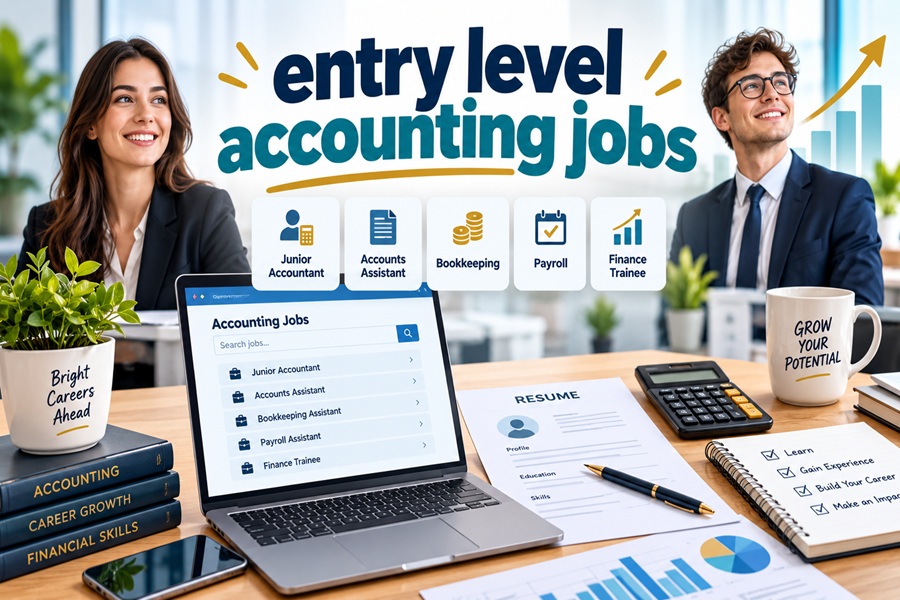
The first accounting job is rarely called accountant.
It might be accounts payable specialist, audit associate, payroll coordinator or tax preparer. Job boards sort these under different labels, which is why many new graduates search for one title, find little and decide the market is closed. It is not. You just have to know what to type.
Here is a practical map of where beginners actually get hired, what they are paid, and how to stand out in a market that has more openings than qualified applicants.
The market you are walking into
A few facts shape the search.
- Demand is solid. Accounting and auditing roles are projected to keep growing for the rest of this decade, and hundreds of thousands of positions open every year from growth and retirements.
- The pipeline is thin. Fewer people have been entering the profession, and hiring managers frequently report that skilled candidates are harder to find than they were a year ago. That gives you more bargaining power than previous generations of graduates had.
- Most beginner roles ask for zero to two years of experience, and a professional license is almost never required at the start.
- Routine data entry is shrinking because software handles more of it, so employers increasingly want juniors who can review, question and explain numbers, not only type them in.
Common first jobs and what they involve
| Role | A typical week looks like | Skills that help |
|---|---|---|
| Staff accountant | Journal entries, account reconciliations, month end close support, financial reporting | Excel, general ledger software, accuracy |
| Accounts payable clerk or specialist | Matching invoices to orders, scheduling payments, vendor questions | Attention to detail, organization |
| Accounts receivable or collections | Sending invoices, applying payments, chasing overdue accounts | Communication, patience |
| Payroll specialist | Processing pay runs, handling deductions and tax filings | Confidentiality, compliance awareness |
| Bookkeeper | Recording transactions, bank reconciliations, basic reports for small businesses | Cloud accounting tools, self discipline |
| Audit associate | Testing transactions, gathering evidence, writing workpapers | Curiosity, teamwork, stamina in busy season |
| Tax associate or preparer | Preparing returns, researching rules, supporting senior staff | Research skills, tax software |
| Cost or inventory accountant | Tracking product costs, variances and stock counts | Spreadsheet modeling, manufacturing awareness |
| Junior financial analyst | Budget tracking, reports, variance explanations | Excel, storytelling with numbers |
| Internal audit associate | Reviewing processes and controls, reporting findings | Process thinking, communication |
Many people start in one box and drift to another within two years. An accounts payable role can turn into general ledger work, which can turn into a staff accountant position. A tax associate can become an advisory specialist.
What the pay looks like
Pay depends on city, industry and employer size, and published estimates vary. For staff accountants in the United States, national figures commonly put the middle of the market around 60,000 to 65,000 a year, with a typical range of roughly 50,000 at the bottom to 78,000 for more senior staff accountants. Large cities and high cost regions pay more. Public accounting firms tend to start with lower base salaries but add overtime, bonuses and a faster training track, while corporate roles often pay steadier salaries with better hours.
Clerical roles such as payables or payroll tend to start lower than staff accountant positions but can be a quicker way in if you lack a degree or an internship. Outside the United States, pay scales and titles differ, so check local salary data before you negotiate.
Skills employers want to see
Technical:
- Excel, including lookups, pivot tables and basic formulas. This is the single most requested skill.
- One accounting platform, such as QuickBooks, Xero, NetSuite, SAP or Tally, depending on your market.
- Understanding of debits and credits, reconciliations and financial statements.
- Comfort with AI assisted tools, including the habit of checking their output.
Human:
- Reliability, meaning deadlines are met and numbers are right.
- Clear writing, because you will explain discrepancies by email every day.
- Willingness to ask questions early instead of burying a problem.
If you have no workplace experience yet, build proof. Run a mock set of books for an imaginary business in a free trial of cloud accounting software. Volunteer as treasurer for a club. Offer to do bookkeeping for a family business. Describe the results the way you would on a job.
Where to look
- Your school’s career office. Many employers recruit directly from campuses, and large public accounting firms hire graduates up to a year before they start.
- Company career pages. Search for titles like staff accountant, accounting associate, accounting analyst, AP specialist and audit associate.
- Staffing agencies that specialize in finance. They often place beginners into contract to hire roles that turn into permanent jobs.
- Local accounting firms. Smaller practices often take on juniors and let them touch many kinds of work.
- Professional networks. A short, polite message to someone three years ahead of you in the field gets answered more often than you expect.
- Public sector and nonprofit openings. These get fewer applicants and often offer stable training.
Timing matters. Firms that handle tax work hire heavily in the fall before busy season, and audit recruiters plan far ahead, so apply earlier than feels natural.
Writing a resume that gets read
Hiring managers scan quickly. Give them evidence in the first few lines.
- Lead with a short summary naming the role you want and your strongest tools.
- Use numbers. “Reconciled 40 bank accounts monthly with zero unresolved items” says more than “responsible for reconciliations.”
- List software skills in a clear section.
- Include internships, volunteer work and class projects that show real accounting tasks.
- Mention any exam progress or certification, such as bookkeeping credentials or passed CPA sections.
Keep it to one page and read it aloud once. If a line sounds like it could belong to anyone, rewrite it.
Interviews: what they really test
Expect questions along three lines.
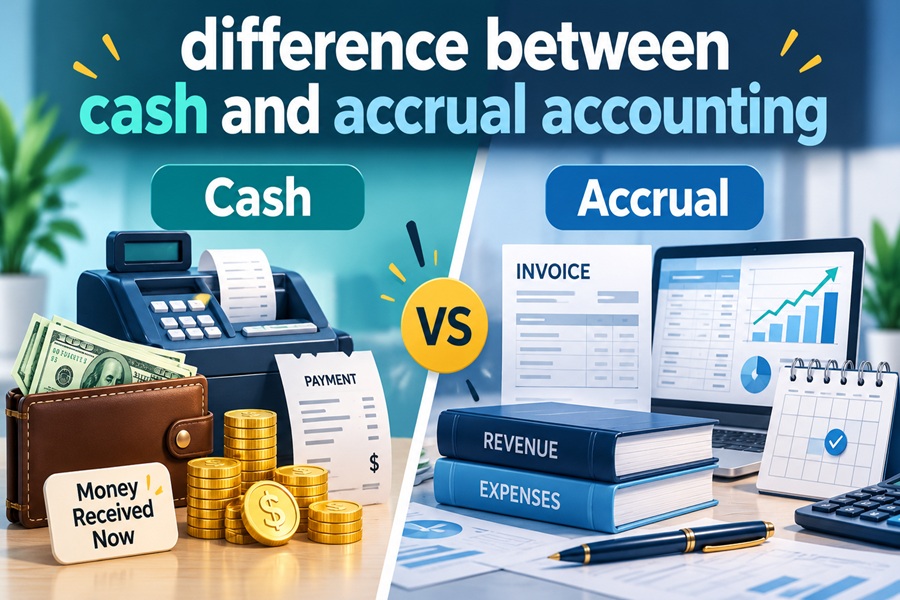
- Basics. Explain debits and credits, walk through a bank reconciliation, describe the difference between cash and accrual accounting.
- Judgment. What would you do if two numbers did not match and the deadline was in an hour? The right answer shows calm, a method and a willingness to escalate.
- Fit. Why this company, why this field, how do you handle repetitive work?
Prepare two short stories from school or past jobs that show accuracy under pressure and teamwork. Then ask your own questions about training, review habits and how success is measured in the first year.
The first ninety days
Once you land the job, a few habits pay off quickly.
- Learn the close calendar and what happens each day of it.
- Keep a personal checklist of every task you perform and every mistake you catch.
- Ask to see how your work flows into the final statements.
- Find someone senior who will review your work and give honest feedback.
The takeaway
Entry level accounting jobs are plentiful for people who search widely, prepare their tools and treat the first role as training. Pick a few job titles, build a small portfolio of proof, apply early, and treat every interview as practice. The first rung is lower than it looks, and the climb afterward is steadier than most careers.
Leave a reply

-
Prospecting Explained for Sellers Starting From Zero
Sales prospecting is the work of finding potential customers who fit what ... -
-
-
-
-
-